
Views: 0 Author: Site Editor Publish Time: 2025-12-19 Origin: Site
Thinking of building a patio? A solid foundation starts underground. A patio can be quickly and securely supported without concrete.
A stable foundation avoids costly repairs and ensures safety. Patio ground stakes effectively simplify this crucial step.
This article will introduce the definition, importance, andinstallation steps of patio ground stakes.
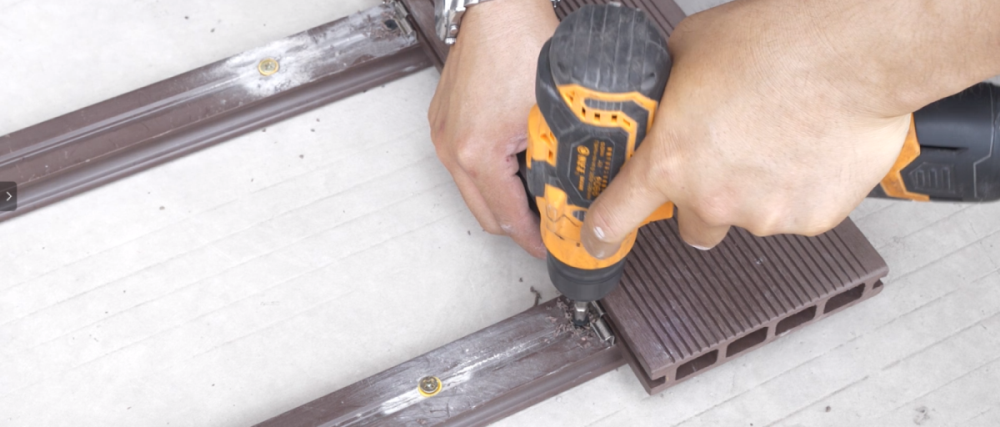
Decking ground spikes are typically made from high-quality steel, often galvanized or powder-coated. This treatment protects them against rust and corrosion, essential for outdoor use. Their design includes a pointed end for easy driving into soil and a flat or shaped top to support adjustable pedestals. Some spikes feature fins or ribs along the shaft to increase grip in the ground, preventing sideways movement.
The metal construction ensures strength and durability, enabling them to bear the load of decking structures effectively. Their size and length vary based on the expected load and ground conditions, ensuring optimal performance in different scenarios.
One of the main advantages of decking ground spikes is eliminating the need for concrete foundations. This simplifies installation, saves time, and reduces mess on site. You can install them quickly using basic tools like a sledgehammer or trench rammer, making them ideal for both DIYers and professionals.
Their corrosion-resistant coating ensures longevity, even under harsh weather conditions. Unlike traditional concrete footings, spikes don't require curing time, enabling faster project completion. They also minimize ground disturbance, preserving soil structure and reducing environmental impact.
Decking ground spikes are designed to work seamlessly with adjustable pedestals. The spike anchors the pedestal firmly in place, preventing movement and providing a stable base. This compatibility allows easy height adjustment of the decking surface after installation, accommodating uneven terrain or drainage requirements.
Using spikes with adjustable pedestals creates a flexible foundation system. It supports various decking materials, including timber, composite, and stone pavers, enhancing versatility. This system also enables faster leveling and alignment during installation.
Ground spikes serve as anchors driven deep into soft soil to stabilize adjustable pedestals. They distribute the deck's load evenly and resist lateral movement. In contrast, post supports typically hold vertical posts and may require concrete for stability.
While ground spikes focus on providing a solid footing for joists and pedestals, post supports secure upright structural elements like fence or deck posts. Ground spikes offer quicker installation and are better suited for soft or uneven ground, whereas post supports are often used where heavier structural loads or above-ground posts are involved.
Tip: Always choose decking ground spikes made from galvanized or powder-coated steel to ensure maximum corrosion resistance and long-term durability for outdoor decking projects.
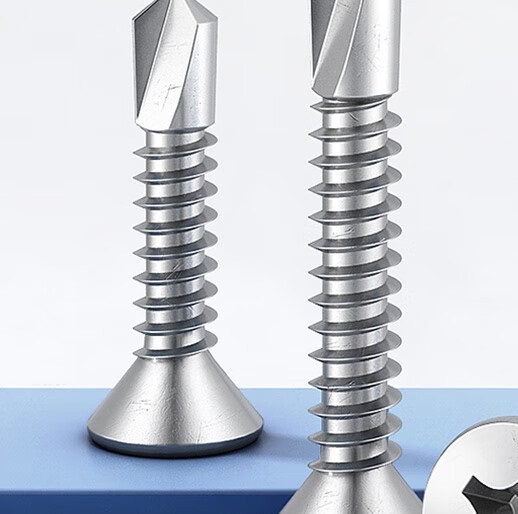
Determining how many decking ground spikes you need depends mainly on the type of joists used and the nature of your project—residential or commercial. Joists vary in size, strength, and spacing, all affecting how many spikes are necessary for proper support. For example, smaller or lighter joists may require spikes placed closer together to ensure stability, while larger, stronger joists can span greater distances between spikes.
Project type also plays a key role. Residential decks generally have lower load requirements than commercial ones, so the number of spikes needed will differ accordingly. A residential deck may need fewer spikes per square metre compared to a commercial deck, which must support heavier loads and more frequent use.
Building regulations set minimum load capacities decks must support. For residential decks raised more than 600 mm above ground, the requirement is typically a distributed load of 3.0 kN/m² (about 300 kg per square metre). Lower decks, under 600 mm, have a reduced requirement of 1.5 kN/m² (~150 kg/m²). Commercial decks have stricter standards, often requiring 4 kN/m² (~400 kg/m²) or more to ensure safety under heavier use.
These regulations influence how many ground spikes you install. Meeting or exceeding these load capacities ensures your decking is safe and durable. Always check local codes or consult a structural engineer to comply with regulations.
A practical starting point for residential decking is at least two ground spikes per square metre. This density provides sufficient support for typical joist sizes and load requirements. However, this number can increase depending on joist spacing and ground conditions.
For commercial projects, spike density may need to be higher to handle increased loads and usage intensity. The exact number should be calculated based on the joist layout, load demands, and ground type.
Joist size and strength directly affect how far apart you can space your ground spikes. Larger joists with higher load capacity allow wider spacing between spikes. Conversely, smaller or less sturdy joists require closer spike placement to prevent sagging or instability.
For example, a 50 mm by 150 mm joist might require spikes every 600 mm, while a larger 50 mm by 200 mm joist could be spaced at 900 mm intervals. This spacing ensures the deck remains stable and level over time.
Always consider the joist manufacturer's guidelines and structural requirements when planning spike spacing. Incorrect spacing risks deck failure or uneven surfaces.
Tip: When calculating spikes, start with two per square metre for residential decks and adjust based on joist size, load requirements, and ground conditions to ensure a safe, stable foundation.
Before installing decking ground spikes, understanding the type of ground is crucial. Ground conditions usually fall into three categories:
Poor Ground: Includes loose fine sand, alluvium, soft to firm clays, varied clays, and fill material. This type offers lower stability and can be prone to shifting or settling.
Medium Ground: Covers loose to medium dense fine to coarse sand, firm to stiff clays, and silts. This ground provides moderate support but may still require careful spike selection.
Good Ground: Consists of medium dense coarse sand, sandy gravel, and stiff to very stiff silts and clays. This type is stable and offers excellent load-bearing capacity for spikes.
Knowing which category your site falls under helps determine the right spike and installation approach.
Each ground condition supports different maximum loads per decking ground spike. Approximate weight-bearing capacities are:
| Ground Condition | Weight Capacity per Spike |
|---|---|
| Poor Ground | 150 kg |
| Medium Ground | 200 kg |
| Good Ground | 300 kg |
These capacities are estimates and depend on soil compaction, moisture content, and spike design. Selecting spikes rated for your ground ensures the deck remains stable and safe.
Ground type impacts how well spikes grip and hold. In poor ground, spikes may need to be longer or have additional fins to prevent movement. Medium ground offers better grip but still requires corrosion-resistant materials to avoid degradation from moisture.
Good ground allows for standard spikes with typical length and design, often resulting in quicker installation and fewer spikes needed per square metre.
If the ground is very soft or uneven, consider using spikes combined with adjustable pedestals to compensate for minor shifts and maintain level decking.
Tip: Always assess soil type before installation and choose decking ground spikes rated for your ground’s weight capacity to ensure long-term deck stability and safety.
Start by laying out your decking substructure where the deck will go. This helps you identify exact spots for each ground spike. Use a tape measure and marker to note these positions on the ground. The flat head of the spike allows a small margin of error, but aim for accuracy to keep the decking level and stable.
Remove the substructure once marks are made. Double-check the spacing matches your joist layout and complies with your calculated spike density.
Before driving spikes, clear the ground of debris, roots, or loose soil to ensure firm contact. If the soil is dry, lightly moisten it to ease spike insertion. Avoid overly wet or waterlogged soil, as this can reduce spike holding power.
Level the surface roughly if needed, but don’t over-compact, which may hinder spike penetration. For rocky or compacted areas, consider adjusting spike locations slightly to avoid obstacles.
Sledgehammer method:
Place a large wooden block or plastic lumber on the spike head to protect it.
Use a sledgehammer to drive the spike into the ground with steady, controlled strikes.
Stop periodically to check the spike remains vertical and adjust as needed.
If you hit a rock, reposition the spike a few centimeters and try again.
Trench rammer method:
Rent a trench rammer for faster, less labor-intensive installation.
Position the rammer plate on the spike head and operate as per manufacturer instructions.
Use personal protective equipment (PPE) due to vibration and noise.
Monitor the spike’s alignment carefully during installation to keep it straight.
Use a spirit level or a simple plumb line to check vertical alignment regularly.
Adjust the spike’s angle early if it starts to lean. Correcting once fully driven is difficult.
Drive spikes slowly and evenly, alternating sides if using a sledgehammer to maintain balance.
If possible, have a helper observe alignment while you work.
Encountering rocks is common, especially in uneven terrain. If a rock blocks the spike:
Try repositioning a few centimeters away.
If rocks are widespread, consider pre-drilling a pilot hole or switching to an alternative foundation method.
Avoid excessive force, which can damage spikes or tools.
Tip: Always protect the spike head with a sturdy wooden block during hammering to prevent damage and ensure efficient driving into the ground.
Installing decking ground spikes requires a few key tools. The most common are a sledgehammer and a trench rammer. A sledgehammer is ideal for smaller projects or where hiring equipment isn't practical. When using it, place a sturdy wooden block on the spike head to protect the metal from damage during hammering. This block absorbs the impact and prevents deformation.
For larger or commercial projects, a trench rammer speeds up installation. It delivers consistent, powerful blows, driving spikes quickly and evenly. However, it requires rental and some experience to operate safely.
A wooden block or plastic lumber is essential regardless of method. It acts as a buffer between the tool and spike, preserving the spike's integrity and ensuring a longer lifespan.
Safety gear is crucial. Always wear safety glasses or goggles to shield your eyes from flying debris or accidental tool slips. Heavy-duty gloves protect your hands from blisters, cuts, and vibrations. Steel-toed boots guard against foot injuries from dropped tools or spikes.
If using a trench rammer, consider ear protection due to noise levels and vibration-reducing gloves to minimize hand fatigue. Wearing long sleeves and pants helps protect your skin from scrapes or contact with rough surfaces.
When swinging a sledgehammer, keep a firm grip and maintain proper stance for balance. Swing controlled, steady strikes rather than wild hits to avoid losing control. Always check your surroundings to ensure no one is too close.
For trench rammers, follow the manufacturer's instructions carefully. Keep the equipment steady and aligned with the spike to prevent bending or misplacement. Take breaks to reduce fatigue and maintain focus.
Avoid installing spikes in extremely rocky or unstable ground without proper assessment, as this increases risk of tool damage or injury.
DIY installation with a sledgehammer suits small decks or limited budgets. It’s cost-effective but labor-intensive and slower.
Hiring a trench rammer is best for larger jobs needing speed and consistency. Though it involves rental costs and learning curve, it reduces physical strain and installation time.
Consider project size, terrain, and your physical ability when choosing. For uneven or challenging ground, professional advice or assistance may be beneficial.
Tip: Always use a sturdy wooden block between the sledgehammer and decking ground spike head to protect the spike and improve driving efficiency.
Decking ground spikes are generally made from galvanized or powder-coated steel. These finishes create a protective barrier against moisture and oxygen, which cause rust. This corrosion resistance is vital because outdoor decking faces rain, humidity, and temperature changes. High-quality coatings extend the life of spikes, keeping them strong and reliable for many years.
Steel durability means the spikes resist bending or breaking under heavy loads. Some spikes also have additional features like thicker walls or reinforced tips to improve longevity. Choosing spikes with robust coatings and solid construction ensures your deck foundation stays stable over time.
Even corrosion-resistant spikes benefit from periodic checks. Inspect your ground spikes at least once a year. Look for signs of rust, loose fittings, or any movement in the decking structure. Tighten any adjustable pedestals connected to the spikes to maintain level decking.
If your deck is near saltwater or in a very humid climate, inspect more often. Salt accelerates corrosion and can weaken metal faster. Clean off dirt and debris around the spike base to prevent moisture buildup. Use a wire brush to remove light rust, then apply a rust-inhibiting paint or spray if needed.
To protect spikes further, avoid direct contact with soil by using gravel or drainage layers beneath the decking. This reduces moisture exposure. Installing weed membranes also helps prevent soil erosion around spikes, which could expose them or cause instability.
Avoid using harsh chemicals or fertilizers near the spikes, as some can degrade coatings. If you notice any damage to the coating, repair it promptly to stop rust from spreading. Cover spikes during heavy construction work nearby to prevent accidental damage.
Watch for these signs indicating spike issues:
Visible rust or corrosion eating through the metal
Movement or wobbling of the decking pedestals
Uneven decking surface or sagging joists
Difficulty adjusting pedestal height due to damaged spikes
Bent or deformed spikes after impact or heavy loads
If any of these occur, replace the affected spikes immediately. Delaying repairs risks further damage to the decking structure and potential safety hazards.
Tip: Schedule annual inspections of your decking ground spikes to catch corrosion or movement early, ensuring your deck remains safe and stable for years.
Decking ground spikes offer quick, concrete-free installation, saving time and effort. They provide strong, corrosion-resistant support for stable deck foundations. These spikes ensure long-lasting durability, especially on soft or uneven ground. Choosing decking ground spikes enhances deck safety and adaptability. For reliable, high-quality products, consider senyu, a trusted company delivering exceptional decking solutions. Their ground spikes combine strength and ease of use, making them ideal for various outdoor projects.
A: Decking ground spikes are steel anchors driven into soil to support decking structures without concrete. They provide a fast, corrosion-resistant, and stable foundation.
A: Mark spike positions, clear the ground, then drive spikes vertically using a sledgehammer with a wooden block or a trench rammer, ensuring alignment for stability.
A: Decking ground spikes offer quicker installation and better suitability for soft or uneven ground, while post supports require concrete and are for vertical posts.
A: Typically, two spikes per square metre for residential decks, adjusted based on joist size, load, and ground conditions.
A: Inspect annually for rust or movement, clean debris, and repair coatings to ensure corrosion resistance and long-term durability.


