
Views: 0 Author: Site Editor Publish Time: 2025-12-19 Origin: Site
Are you struggling to achieve a clean deck finish? Composite decking edge boards offer a sleek solution. They protect and enhance your deck’s perimeter.
In this post, you’ll learn what composite decking edge boards are and why they matter. We’ll guide you step-by-step through their installation for a flawless look.
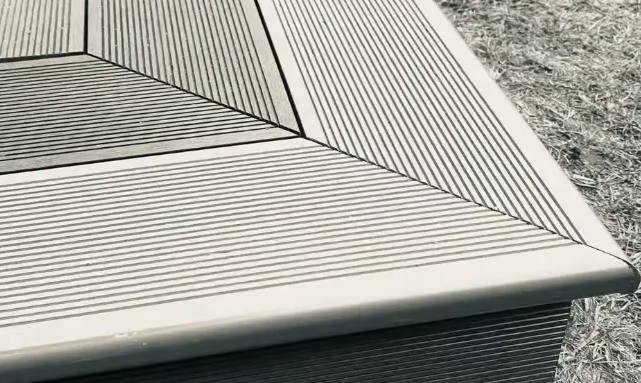
Composite decking edge boards are crafted from a blend of wood fibers and recycled plastics. This combination creates a durable, weather-resistant material that mimics natural wood's appearance without its maintenance issues. The design usually includes grooved channels along the edges, allowing for hidden fastener systems that secure boards without visible screws. These boards come in various thicknesses and widths to match different decking styles and provide a smooth, clean finish around the deck perimeter.
Edge boards serve several important functions. Aesthetically, they conceal the cut ends of deck boards, delivering a polished, professional look. They define the deck’s outline, highlighting steps, corners, and raised sections, which enhances visual appeal. From a protective standpoint, edge boards shield the deck’s vulnerable edges from moisture, dirt, and physical impacts, reducing wear and prolonging the deck’s lifespan. They also help maintain structural integrity by supporting the outer joists and preventing board warping or splintering.
Most composite edge boards are designed to work seamlessly with popular decking systems. Their grooved design fits hidden fastener clips, enabling fast, secure installation without face screws. However, compatibility varies by brand and product line. For example, some edge boards suit specific composite decking collections but not others or may not work with certain fascia systems. It’s essential to verify that the edge boards align with your decking system’s profiles and fastening methods to ensure a tight, uniform finish.
Tip: Always check your composite decking manufacturer’s guidelines to choose edge boards that perfectly match your decking system’s profile and fastening options for a flawless installation.
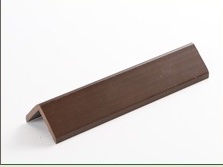
Before you start installing composite decking edge boards, gather all necessary tools and materials. Here’s a checklist to help you prepare:
Measuring tape: For precise measurements.
Carpenter’s square: Ensures accurate right angles.
Miter saw or circular saw: To make clean, angled cuts.
Drill and drill bits: For pilot holes and fastening.
Hidden fasteners and starter clips: Designed for composite edge boards.
Screws: Usually stainless steel or coated to resist corrosion.
Rubber mallet: To gently tap boards into place.
Safety gear: Gloves, safety glasses, and hearing protection.
Pencil or chalk: For marking cut lines.
Level: To check board alignment.
Having these ready avoids interruptions and helps maintain workflow efficiency.
Accurate measurements are key to a neat installation. Start by measuring the deck’s perimeter where the edge boards will go. Remember to:
Measure twice, cut once to avoid mistakes.
Account for expansion gaps between boards, typically about 6 mm (0.2% of board length).
Mark cut lines clearly on the boards before cutting.
Plan for miter cuts at corners, usually 45° angles, for a seamless joint.
Consider the board thickness and width to ensure a flush finish with the deck surface.
Good planning minimizes waste and ensures edge boards fit perfectly around steps, corners, and deck edges.
The edge boards must be securely fastened to a solid subframe. Check that:
Joists are spaced correctly, usually 300 mm to 400 mm apart, depending on decking specifications.
Outer joists are straight and level to support the edge boards evenly.
Blocking is installed between joists where needed to provide extra support, especially around corners and steps.
The subframe is free from debris and moisture damage before installation.
All joists are securely fastened to the ledger and beams.
A well-prepared subframe provides a stable foundation, preventing edge boards from warping or loosening over time.
Tip: Use a carpenter’s square and level at multiple points during setup to ensure your joists and subframe are perfectly aligned for a smooth edge board installation.
Begin by cutting the ends of your composite decking edge boards at 45° angles where they meet around corners. This mitre cut creates a clean, seamless joint that enhances your deck’s appearance. Use a miter saw for precise cuts. Always measure twice before cutting to avoid mistakes. Mark the cut lines clearly on the board with a pencil or chalk. Proper mitres prevent gaps and misalignment, ensuring the boards fit snugly together.
Next, position the edge board over the outer joist edge. Use hidden fasteners designed for composite decking to secure the board. Place fasteners approximately every 300 mm along the joist. These fasteners keep screws out of sight, preserving the deck’s sleek look. If you plan to add a fascia board later, use 6 mm or 3 mm hidden fasteners at the bottom of the edge board. Without fascia, starter fasteners along the bottom edge work well. Initially, fasten the board lightly so you can adjust it later.
Once the edge board is lightly secured, slide the first deck board into the hidden fasteners on the edge board. This step locks the edge and deck boards together for a flush finish. After the deck board is in place, return to the edge board fasteners and tighten them fully. This ensures a secure hold without over-tightening, which can damage the composite material. Check that the boards align perfectly and maintain the recommended expansion gaps, typically 6 mm, to allow for natural movement.
Tip: When mitre cutting, use a stop block on your saw to maintain consistent 45° angles on multiple boards, speeding up installation and improving accuracy.
Start by measuring the edge boards carefully where they meet at corners. Use a miter saw to cut the ends at 45° angles. These mitre cuts allow the boards to fit snugly and create a clean, professional corner joint. Mark your cut lines clearly before cutting to avoid mistakes. Accurate mitres prevent gaps and ensure the boards align perfectly. Take your time here; this step sets the foundation for a seamless deck edge.
Next, attach starter fasteners along the top side of the outer joists where the edge boards will be installed. Position the vertical clip edge about 35 mm from the joist’s outer edge. Secure these clips every 300 mm along the joist length for consistent support. The starter fasteners hold the edge boards firmly in place while allowing easy clipping during installation. Use corrosion-resistant screws and pre-drill pilot holes if needed to avoid splitting the joists.
Once the starter fasteners are in place, clip the edge board into these clips by aligning the grooved channel on the board with the clip opening. Press the board firmly until it locks in securely. After clipping, use hidden fasteners, typically 3 mm or 6 mm, to secure the bottom side of the edge board to the joists. If you plan to add a deck board fascia later, fasten the edge board lightly for now and tighten the screws after installing the fascia. Otherwise, tighten the fasteners securely to hold the board in place. This method keeps fasteners hidden, maintaining a clean deck perimeter.
Tip: When installing starter clips, ensure they are perfectly aligned and evenly spaced to avoid uneven edges and facilitate smooth clipping of the edge boards.
Installing composite decking edge boards requires attention to detail. Avoiding common mistakes ensures a professional, durable finish. Here are key pitfalls to watch for:
One of the most frequent errors is over-tightening screws. Composite materials can crack or deform under excessive pressure. Tighten screws just enough to secure the board firmly. If you feel resistance, stop turning to prevent damage. Use a drill with adjustable torque settings for better control.
Accurate mitre cuts are crucial, especially at corners. Poorly cut mitres leave gaps or uneven edges, spoiling the deck’s appearance. Always measure twice and cut once. Use a miter saw with a stop block to maintain consistent 45° angles. Also, ensure board lengths are precise to maintain proper alignment and expansion gaps.
Composite decking expands and contracts with temperature changes. Skipping or minimizing expansion gaps can cause buckling or warping. Maintain at least a 6 mm gap between butt joints and between edge boards and fixed structures. This gap allows natural movement and prolongs the deck’s lifespan.
Misaligned trims or fascia boards can ruin the deck’s clean look. Before fastening, check alignment carefully using a level and straight edge. Align trims flush with edge boards and ensure fascia boards run parallel to the deck lines. Adjust clips or fasteners as needed before final tightening.
Tip: Always use a torque-controlled drill and a quality miter saw to avoid over-tightening and ensure precise mitre cuts during edge board installation.
A flawless deck edge starts with careful alignment. After installing the edge boards, inspect all joints and corners closely. The mitre cuts at corners should meet tightly without gaps. Use a rubber mallet gently to nudge boards into place if needed. Check that edge boards sit flush with the deck surface for a smooth transition. Any unevenness stands out and detracts from the overall look.
Pay attention to the fasteners. Hidden fasteners keep screws out of sight, preserving the clean finish. If any fasteners are visible, consider adjusting or replacing them with the correct hidden system. Also, ensure expansion gaps remain consistent along the edge. This small detail prevents buckling and maintains the deck’s neat appearance over time.
Edge boards shield the deck’s vulnerable perimeter from weather and physical damage. To maximize protection, make sure all boards are securely fastened without overtightening. Loose boards can trap moisture, leading to mold or warping. Tighten fasteners just enough to hold boards firmly.
Consider applying a water-resistant sealant or protective coating on the cut ends of the edge boards if recommended by the manufacturer. This extra step helps prevent moisture ingress, especially in wet climates. Also, avoid sharp impacts or heavy loads on the edges during and after installation. Edge boards absorb shocks better than standard decking but still benefit from careful handling.
Edge boards do more than finish the look—they highlight the deck’s shape. Use them to frame steps, raised sections, or any change in deck height. This framing creates visual definition and improves safety by clearly outlining transitions.
When installing edge boards around steps, ensure the boards follow the step’s contour precisely. Mitre cuts and corner joints here require extra precision for a tidy finish. You can also use edge boards to create contrasting borders by selecting a complementary color or texture. This design choice adds style and draws attention to your deck’s craftsmanship.
Tip: After installation, clean the deck edge thoroughly and inspect for any small gaps or misalignments, fixing them promptly to keep your deck looking pristine and professional.
Selecting the proper fasteners is crucial for a neat, durable deck edge. Use corrosion-resistant screws or fasteners designed for composite materials to avoid rust and staining. Hidden fasteners are best for a sleek look, keeping screws out of sight while securing boards firmly. For edge boards paired with fascia, use 3 mm or 6 mm hidden fasteners along the bottom edge. When no fascia is planned, starter fasteners along the bottom edge work well. Always follow manufacturer recommendations for fastener type and spacing — typically every 300 mm — to ensure stability and long-lasting performance.
Edge boards often connect with skirting or fascia to complete the deck's look. When integrating these systems, ensure the edge board profile matches the fascia or skirting design. This alignment prevents gaps or uneven surfaces. If using composite fascia, lightly secure the edge board first, then tighten fasteners after installing fascia boards. This method allows for slight adjustments and a flush finish. Avoid mixing incompatible brands or materials to maintain warranty coverage and aesthetic harmony. Proper integration also helps protect the deck subframe from moisture and pests.
Maintaining edge boards extends your deck’s lifespan and appearance. Clean boards regularly using mild soap and water to remove dirt and prevent mold. Avoid harsh chemicals or pressure washing, which can damage the composite surface. Inspect fasteners periodically to ensure they remain tight but not over-tightened. Check expansion gaps to accommodate seasonal movement. If you notice any chips or cracks, repair them promptly using manufacturer-approved fillers or sealants. Applying UV protectants can also reduce fading and keep colors vibrant longer.
Tip: Always use corrosion-resistant hidden fasteners specified by your composite decking manufacturer to ensure a secure, clean finish and protect your deck’s warranty.
Composite decking edge boards enhance your deck’s look and durability by providing a clean, protective finish. Proper installation with accurate cuts and hidden fasteners ensures a seamless appearance and long-lasting performance. DIYers and contractors should carefully follow manufacturer guidelines to avoid common mistakes like over-tightening and improper alignment. For reliable products and expert support, consider senyu, whose composite decking solutions combine strength, style, and ease of installation to add lasting value to your outdoor space.
A: A composite decking edge board is a durable, weather-resistant board made from wood fibers and recycled plastics, designed to provide a clean, polished finish around the deck perimeter while protecting edges from moisture and damage.
A: Installation involves measuring and cutting boards with 45° mitre angles, securing them with hidden fasteners to outer joists, and ensuring proper alignment and expansion gaps for a seamless, durable finish.
A: They enhance deck aesthetics by hiding cut ends, protect vulnerable edges from wear and moisture, and support structural integrity by preventing warping and splintering.
A: Most are designed to fit popular decking systems with grooved channels for hidden fasteners, but compatibility varies by brand, so always check manufacturer guidelines.
A: Avoid over-tightening screws, inaccurate mitre cuts, skipping expansion gaps, and misalignment of trims or fascia to ensure a professional, long-lasting finish.
A: Prices vary based on brand, size, and quality, but generally, composite decking edge boards are a cost-effective investment considering their durability and low maintenance benefits.


