Views: 0 Author: Site Editor Publish Time: 2025-12-08 Origin: Site
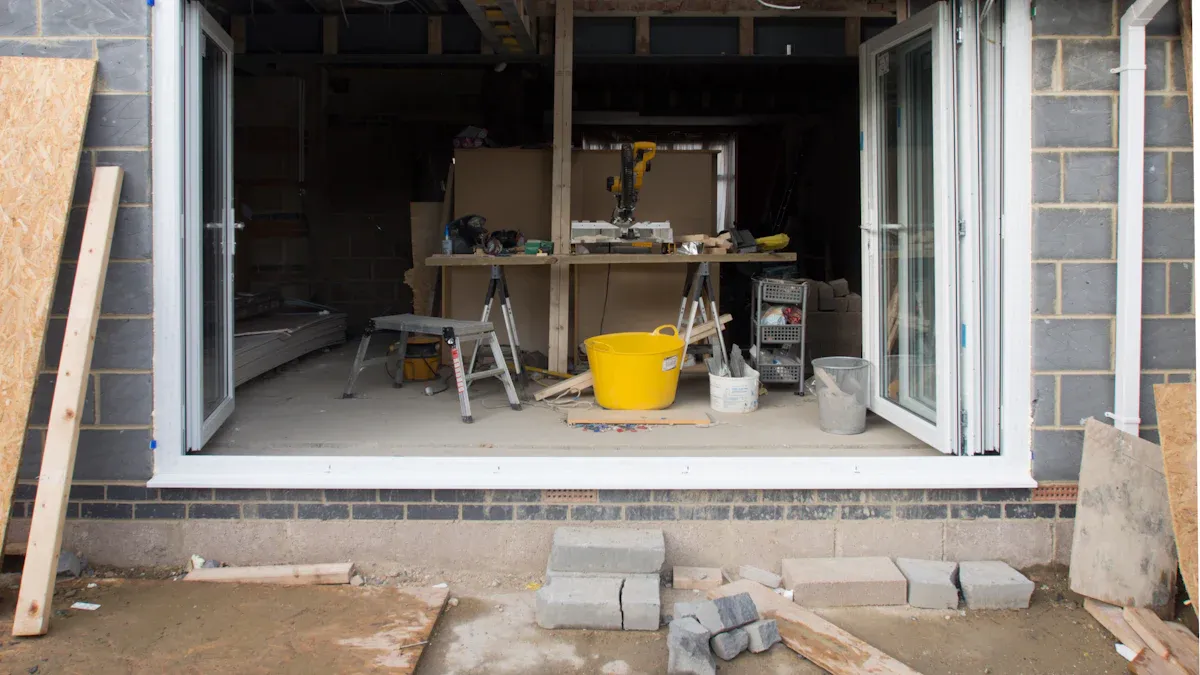
Check the framing on your wall first. Make sure it is straight and level. This stops the siding from being crooked.
Put up a water-resistive barrier before the siding. This layer keeps water out. It helps your walls stay dry.
Use stainless pan head screws to fasten the siding. These screws do not rust. They hold the siding tightly.
Always follow the manufacturer's instructions. This helps you avoid mistakes. It also makes your siding last longer.
Seal all joints and edges with good sealants. Check and fix them often. This keeps your siding safe from leaks.
First, make sure your wall framing is straight. It should be level and square. If the framing is not straight, the starter strip will not fit right. This can make the 4x8 sheet siding look crooked. Crooked panels can look bad and let water get inside. You want your siding to keep your house safe and look nice. Take time to measure and fix the framing. Use a level and tape measure to check. Make sure everything lines up before you go on.
You need a water-resistive barrier to stop moisture. This layer goes on the wall framing before you put on the siding. The best barriers are strong and let water vapor out. They help drain water and block air leaks. Here is a table that shows what makes a good water-resistive barrier:
Feature | Description |
|---|---|
Structural Strength | Strong panels made of engineered wood give strength and last long. |
Water-Resistive Barrier | Vapor-permeable water-resistive barrier means you do not need house wrap or felt. |
Enhanced Drainage | Made to drain water well and let vapor pass through so walls can dry. |
Air Barrier | A solid air barrier stops air leaks and saves energy. |
Pick a barrier that works for your weather and siding. Cover the whole wall so there are no open spots.
You need flashing and a starter strip to keep water out. Flashing goes around windows, doors, and at the bottom of the wall. The starter strip helps the first siding sheet stay in place. Follow these tips:
Overlap flashing and starter strips so water runs off the wall.
Use the instructions from the manufacturer for each part.
Pick good materials. Strong flashing and starter strips last longer and stop rot.
Check your work before you put up the siding. Careful prep helps your siding last a long time.
First, pick if you want your panels up and down or side to side. This choice changes how your siding looks and how water moves. Always read the manufacturer’s instructions before you start. Put the first sheet at the bottom of the wall. Leave a 1/4 inch gap between the sheet and the starter strip. This gap helps water drain and keeps your siding straight.
To install the first panel:
Measure and mark where the first sheet will go. Use a level to check that the panel lines up with the starter strip and corners.
Hold the panel in place. Make sure the edges match up and the panel is flat against the wall.
Put fasteners into the holes or through the flanges. Use nails or screws that do not rust and follow the manufacturer’s advice.
Check the space between panels. Keep the gaps the same so it looks neat and lets the panels expand.
Tip: Use a straight edge or chalk line to help keep your panels lined up when you put them on.
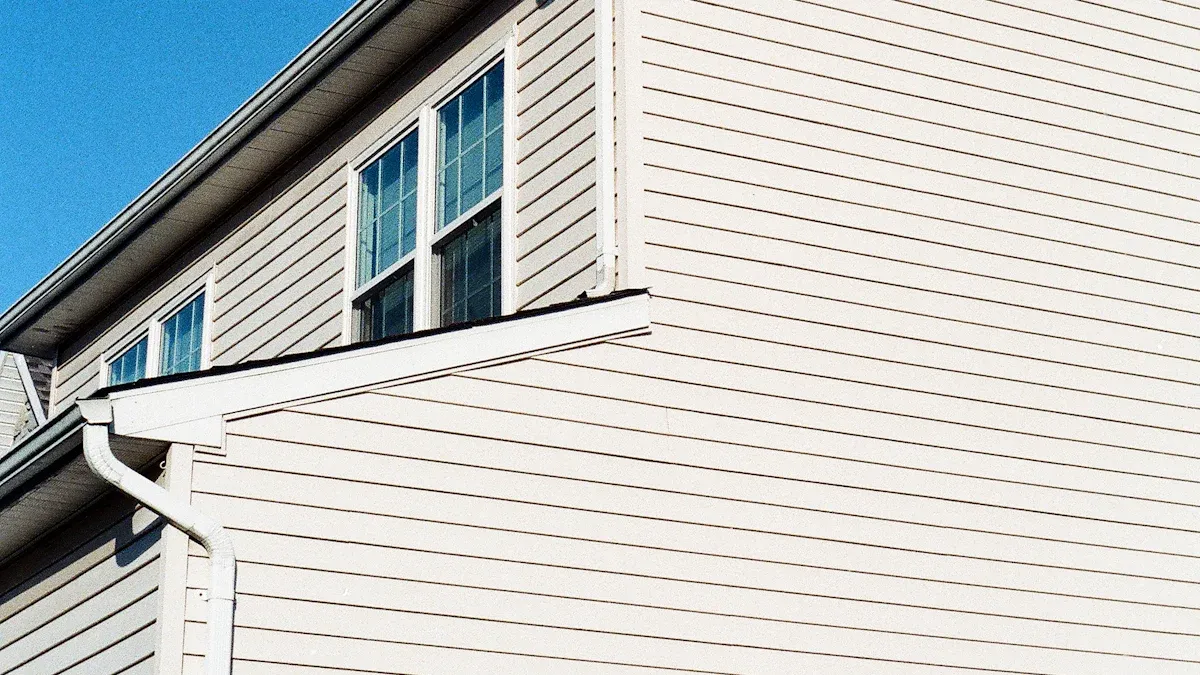
When you put up sheet siding, overlap the edges of your composite siding 4x8 sheets. Overlapping makes a tight seal and stops water from getting in. Put the top panels over the bottom ones. This lets water run down the wall and keeps your house dry. On sheds and gable ends, make the end rafters even with the wall panels. Then, put the gable panels over the wall panel below. This helps water run off without needing extra caulk.
Overlap the top panels over the bottom panels to keep water out.
Make sure each panel covers the edge of the one below it.
Check that the overlap matches what the manufacturer says for your composite siding.
Use stainless pan head screws to attach composite siding 4x8 sheets. These screws do not rust and work well in wet or salty places. Stainless screws last longer and keep panels tight. For each 4x8 sheet, use at least 21 screws to hold it up. Space the screws out along the edges and in the middle of the panel.
Stainless screws stop rust and keep your siding strong.
Use 21 screws for each panel to hold it right.
Space screws evenly for a neat look and strong hold.
Always follow the manufacturer’s rules for putting up sheet siding. These steps help you avoid mistakes and keep your house safe. Manufacturers say to check local building codes, wear safety gear, and pick the right composite siding 4x8 sheets. Use the right tools like safety goggles, gloves, a circular saw, and a siding nailer. Get the wall ready by measuring, checking for damage, and putting up a water-resistive barrier.
Follow the nailing pattern and depth the manufacturer suggests. Leave gaps at the joints so the panels can expand. If you skip these steps, water can get behind the panels and rot the wood. Bad sealing causes damage and costs more to fix.
Note: Following the manufacturer’s instructions when you put up siding keeps your panels safe from water and helps your composite siding last longer.
If you follow these steps, your composite siding 4x8 sheets will stay tight and keep out water. Careful work and paying attention to details give you a good finish when you install sheet siding.
You can give your siding a clean, professional look by adding trims and flashing. Trims cover rough edges and protect corners from water. You should use these types of trim when you finish composite siding 4x8 sheets:
Skirt Trim: Fasten a 1×6 trim at the bottom of the building. This trim supports the siding panels and makes the base look neat.
Corner Trim: Use preassembled trim pieces for outside corners. These trims make corners strong and easy to finish.
Battens: Place 1×2 decorative trim on top of the siding. Battens hide seams and nails, giving your wall a smooth look.
Flashing goes around windows, doors, and at the top and bottom of walls. It helps water run off and keeps moisture out.
Tip: Always check that trims and flashing overlap the siding. This stops water from sneaking behind the panels.
You need to seal all joints and edges to keep water out. Use high-quality sealants like silicone, polyurethane, or polysulfide. These sealants can last 10 to 30 years. If your siding faces lots of sun, rain, or heat, sealants may only last 1 to 5 years. You should check and replace sealants every 5 to 7 years to keep your siding safe.
Good sealants protect your home from leaks.
Regular maintenance keeps your siding strong.
Paint or stain your composite siding to protect it from weather and make it look great. T1-11 siding, made from plywood, needs a strong all-weather stain or paint. Staining and sealing the wood stops water damage and keeps panels looking new.
Use high-quality paint or stain for the best protection.
Reseal your siding every 8 to 10 years to keep it safe.
Note: When you install composite siding, finishing with paint or stain helps your siding last longer and look better.
You want your siding to look good and last long. Read all instructions before you start putting up panels. Measure each sheet and mark lines with a level or chalk. Check what fasteners you need and where to put them. Stainless steel screws work best and should go in straight. Keep panels lined up and do not leave big or small gaps. If you hurry, you might skip steps and cause leaks or crooked panels.
Tip: Always check your wall framing and water-resistive barrier before you put up siding. Fix any damage first.
Temperature changes can change your siding. Some composite siding, like Everlast, does not swell, bow, or rot. You do not need to worry about big changes, even when it freezes and thaws. Everlast uses a special way to install that helps with movement.
Everlast’s mix has no organic material, so it does not swell, bow, rot, or change much in size. This is important when winter brings freezing and thawing. Everlast’s smart way to install helps with any movement that happens.
When you put up sheathing sheets, leave a small gap. This gap helps with shrinking in the framing, not the siding.
The gap between sheathing sheets is mostly for shrinking in the framing, not for the siding changing size.
You can put up composite siding by yourself if you use the right tools and safety gear. Wear gloves, long sleeves, and safety glasses. Use a circular saw with a carbide-tipped blade to cut panels. Keep a measuring tape, level, hammer, drill, and pry bar close. Fasten panels with stainless steel screws at a 90-degree angle. Make sure joists are spaced no more than 1.64 feet apart.
Use safety gear like gloves, long sleeves, and safety glasses.
Good tools are a circular saw, measuring tape, level, hammer, drill, and pry bar.
Use carbide-tipped blades for cutting and stainless steel screws for fastening.
Put fasteners in at a 90-degree angle to the siding.
Joists should be spaced no more than 1.64 feet apart.
Note: Planning well and using the right tools makes solo installation easier and safer.
You can make your siding strong and long-lasting if you install composite siding 4x8 sheets the right way. Getting the wall ready, lining up the panels, and sealing everything well will help keep your house safe. Composite siding does not let water in, stays the same shape, and can last more than 50 years. The panels are tough, so they do not break easily or rot. Always use the manufacturer’s rules to get the best results.
Keeps out water and stops rot
Lasts over 50 years
Stays the same shape in any weather
Stands up to hard hits
You can usually finish the job in one or two days for a small house. Larger homes may take longer. Plan your work and gather all tools before you start to save time.
You should remove old siding before you install new panels. This step helps you check for damage and gives you a flat surface. You get better results and longer-lasting protection.
You need a circular saw, measuring tape, level, drill, stainless screws, and safety gear. These tools help you cut, measure, and fasten panels safely and correctly.
Most composite siding comes prefinished. You can paint or stain it if you want a new color or extra protection. Always use paint or stain made for outdoor use.
You must use a water-resistive barrier, flashing, and sealant. These steps keep water out and protect your home from mold and rot. Check all joints and edges for gaps.

 English