Views: 0 Author: Site Editor Publish Time: 2025-12-29 Origin: Site
Composite decking is easy to take care of and lasts a long time. This makes it great for people who are very busy. Wood decking looks classic and natural. But it needs regular care to stop damage and keep it looking nice. Think about your money. Wood decking costs less at first. But composite decking saves money later because it needs less care. Pick composite decking if you want a greener choice. It uses recycled stuff and is better for the environment. Think about what matters most to you. Do you want easy care, a nice look, to save money, or something that lasts? This will help you pick the best decking for you.
You want to see the facts side by side before you choose. Here is a table that shows how composite decking and wood decking compare in important ways:
Attribute | Composite Decking | Wood Decking |
|---|---|---|
Durability | Lasts longer, needs little care | Lasts well but needs more care |
Maintenance | Needs little work, saves time | Needs lots of work, needs regular care |
Cost | Costs more at first, saves money later | Costs less at first, costs more later |
Appearance | Many styles, does not look as real | Looks real, has a rustic style |
Sustainability | Uses recycled stuff, good for the planet | Needs chemicals, not as good for the planet |
Installation | Easier to put in place | Takes more work to install |
Composite decking lasts longer and needs less work. Wood decking looks classic but needs more care.
Let’s look at the good and bad sides so you can pick what fits your needs. This table helps you compare composite decking and wood decking:
Decking Type | Pros | Cons |
|---|---|---|
Needs very little care | Gets hot in the sun | |
Wood Decking | Costs less at first | Needs lots of care |
Composite decking is easy to care for and lasts a long time. Wood decking looks nice and costs less at first, but you need to work harder to keep it nice.
Tip: If you want a deck that stays strong and looks good with little work, composite decking is a smart choice. If you like real wood and do not mind taking care of it, wood decking could be better for you.
When you look at composite and wood decking, think about what matters most to you. The good and bad sides help you see what fits your life and budget.
When you hear about composite decking, you might wonder what it really is. Composite decking is a modern material made to look like wood but built to last much longer. You get a mix of wood fibers and plastics, sometimes with other bio-based materials like rice husks. This blend gives you the look of wood with extra strength and less work.
Here’s a quick look at what goes into composite decking:
Material Type | Description |
|---|---|
Wood Fibers | Give strength and a wood-like look |
Plastics | Add durability and help keep maintenance low |
Bio-based Materials | Make the boards more eco-friendly |
You can find composite decking in many colors and styles. Some boards even have a woodgrain pattern, so your deck looks warm and inviting.
You get a lot of perks when you choose composite decking for your outdoor space. Here are some of the top reasons people love it:
Lasts for years, even with lots of foot traffic or bad weather.
Needs very little care—just sweep or wash it off.
Made from recycled materials, so it’s better for the planet.
Let’s see how composite decking stacks up against wood:
Feature | Composite Decking | Traditional Wood Decking |
|---|---|---|
Moisture Resistance | Won’t rot or warp | Can absorb water and rot |
Maintenance | Just sweep or wash | Needs regular staining and sealing |
Durability | Resists bugs, mold, and cracking | Can splinter or crack |
Lifespan | Built to last for decades | Needs more upkeep, shorter lifespan |
Tip: If you want a deck that stays strong and looks good with little work, composite decking is a smart choice.
Composite decking has many strengths, but you should know about a few downsides. Some boards can get hot in direct sun. The surface may scratch if you drag heavy things across it. In rare cases, composite boards can expand or move if it gets very hot outside. Some types are not as hard as real wood, so they might bend under heavy weight if not installed right.
Here’s a quick list of things to keep in mind:
Can get warm on sunny days
May scratch if you drag furniture
Needs proper installation to avoid bending
Not fire rated for every use
Knowing these points helps you decide if composite decking fits your needs.
You might picture a classic backyard deck when you think about wood decking. This type of deck uses boards made from natural wood. Builders often choose wood for its warm look and timeless style. You can find wood decking in many types, each with its own strengths.
Here are some common types of wood used for wood decking:
Cedar: Stays strong against rot and bugs, can last up to 20 years.
Redwood: Has a rich color and resists rot, lasts 15-20 years with care.
Tropical Hardwoods: Includes Ipe, Tigerwood, and Teak. These woods are tough, with Ipe lasting up to 30 years.
Mahogany: Known for its deep color and smooth grain, stands up well to decay and insects.
Wood decking gives you a natural feel under your feet. You can stain or paint it to match your style. Many people love the way wood changes over time, adding character to your outdoor space.
You get several advantages when you choose wood decking for your home. Professional builders often recommend wood for its classic look and flexibility. Take a look at this table to see why wood decking stands out:
Benefit | Description |
|---|---|
Aesthetic Appeal | Wood gives you a classic look that you can change with stains or paints. |
Cost Efficiency | Wood costs less than other materials and can boost your property value. |
Customization | You can cut and shape wood easily, making it simple to create unique deck designs. |
Wood decking lets you create a space that feels personal. You can change the color or finish whenever you want. If you enjoy working with your hands, you’ll find wood easy to shape and install.
Tip: If you want a deck that feels warm and looks natural, wood decking is a great choice.
While wood decking has many strengths, you should know about its challenges. Wood needs regular care to stay beautiful and safe. You’ll need to stain, seal, and clean your deck often. Wood decking usually lasts about 10-15 years if you take good care of it.
Here’s a table showing some common drawbacks:
Drawback | Description |
|---|---|
Shorter lifespan | Most wood decking lasts 10-15 years with proper care. |
Regular maintenance required | You need to stain, seal, and clean wood decking to keep it looking good. |
Susceptibility to weather damage | Wood can rot or attract pests, especially in wet or humid places. |
You might notice these issues with wood decking:
Too much moisture can make wood swell, warp, or rot.
Sunlight can fade wood and cause cracks.
Cold weather can split wood during freeze-thaw cycles.
If you want a deck that stays strong with less work, you may want to think about these points before choosing wood decking.
When you want a deck that stands the test of time, composite decking gives you peace of mind. You do not have to worry about rot, bugs, or water damage. The boards use a mix of recycled plastic and wood fibers, so they do not soak up water. This means you can enjoy your deck without stressing about mold or insects.
Most composite decking comes with a tough outer layer. This cap protects your deck from fading, stains, and scratches. Even after years in the sun or rain, your deck keeps its color and shape. You do not need to paint or seal it.
Here’s how long you can expect your deck to last:
Composite decking lasts about 25 to 30 years.
Some high-end options can last up to 50 years.
You get a deck that stays strong and looks good for decades. That’s a big win for busy families.
Tip: If you want a deck that handles weather and heavy use, composite decking is a smart pick.
Wood decking brings a classic look, but it needs more care to stay strong. Rain, sun, and bugs can wear down wood over time. You may see boards swell, crack, or even rot if you skip regular upkeep.
Let’s compare how wood and composite decking handle tough conditions:
Performance Metric | Pressure-Treated Pine (PT) | Capped Composite |
|---|---|---|
Rot/Moisture Resistance | Fair (Chemicals required) | Excellent (Zero water absorption) |
With good care, wood decking can last between 10 to 20 years. You need to stain, seal, and check for damage every year. If you live in a wet or sunny place, wood may not last as long.
Wood decking lasts about 10 to 20 years with regular maintenance.
If you love the look of wood and do not mind the work, you can keep your deck looking nice. Just know that composite decking gives you more years with less effort.
If you want a deck that is easy to care for, composite decking makes life simple. You do not need to sand, stain, or seal it. Most of the time, you just grab a hose or a bucket of soapy water and give it a quick wash. Sometimes, a power washer helps if you see dirt or pollen build up. You can finish the job in just a few hours each year. That means more time relaxing and less time working.
Many homeowners love that composite decking keeps its color and shape. You do not have to worry about splinters or boards warping. The surface stays smooth, even after years of use. If you spill something, you can wipe it up without leaving a stain. This low-maintenance routine helps your deck look great and last longer.
Here’s a quick look at how maintenance compares:
Decking Type | Maintenance Requirements | Durability |
|---|---|---|
Wood Decking | Requires sanding and sealant application every couple of years to prevent degradation. | Lasts 10-20 years |
Composite Decking | Requires only annual power washing. | Lasts 25 years or more |
Tip: With composite decking, you spend less time cleaning and more time enjoying your outdoor space.
Wood decking needs a lot more attention. You have to sand the boards and apply a sealant every few years. If you skip these steps, the wood can crack, fade, or even rot. Most people spend 30 to 40 hours each year on wood deck maintenance. That includes cleaning, staining, and sealing. Over time, these chores add up.
You also spend more money on supplies and repairs. Even though wood decking costs less at first, the ongoing maintenance can make it more expensive in the long run. If you want your deck to last, you cannot skip these steps. Wood decks look beautiful, but they need your care to keep their charm and strength.
Note: If you want a deck with less work and more durability, composite decking is the better choice.
When you start planning your deck, the first thing you probably think about is the cost. Composite decking usually has a higher price tag than wood. If you look at the average price for a full deck, you might spend around $25,000 for composite decking. Wood decking comes in lower, with an average cost of about $18,000. That’s a big difference when you’re setting your budget.
Here’s a quick look at how much you might pay for materials:
Decking Type | Cost per Square Foot (Materials Only) |
|---|---|
Composite Decking | $12 – $22 |
Wood Decking | $3 – $35 |
You can see that wood decking has a wider price range. Some types of wood are cheap, while others, like tropical hardwoods, can be expensive. Composite decking stays more consistent in price, so you know what to expect.
Composite decking: higher upfront cost, but you get more features.
Wood decking: lower upfront cost, but prices can jump for premium woods.
Tip: If you want to keep your initial cost low, wood might seem like the better choice. If you want fewer surprises, composite decking gives you a clear price.
Upfront cost matters, but you should also think about what you’ll spend over time. Composite decking lasts about 25 years, while wood decking may need replacing after 10 years. You save money on repairs and maintenance with composite decking. You don’t need to buy stain, sealant, or pay for regular upkeep.
Composite decking holds its value better. If you ever sell your home, buyers like the look and the promise of low maintenance. You get a deck that stays strong and looks good for decades. Wood decking needs more care, and those costs add up fast.
Over 20 years, composite decking gives you a better return on your investment. You spend more at first, but you save on maintenance and replacement costs. You also boost your property’s value with a deck that lasts longer and looks great.
Note: If you want a deck that saves you money in the long run, composite decking is the smart choice.
You want your deck to look amazing. The appearance of your outdoor space can change how you feel every time you step outside. Let’s see how composite decking and wood decking compare when it comes to style and visual impact.
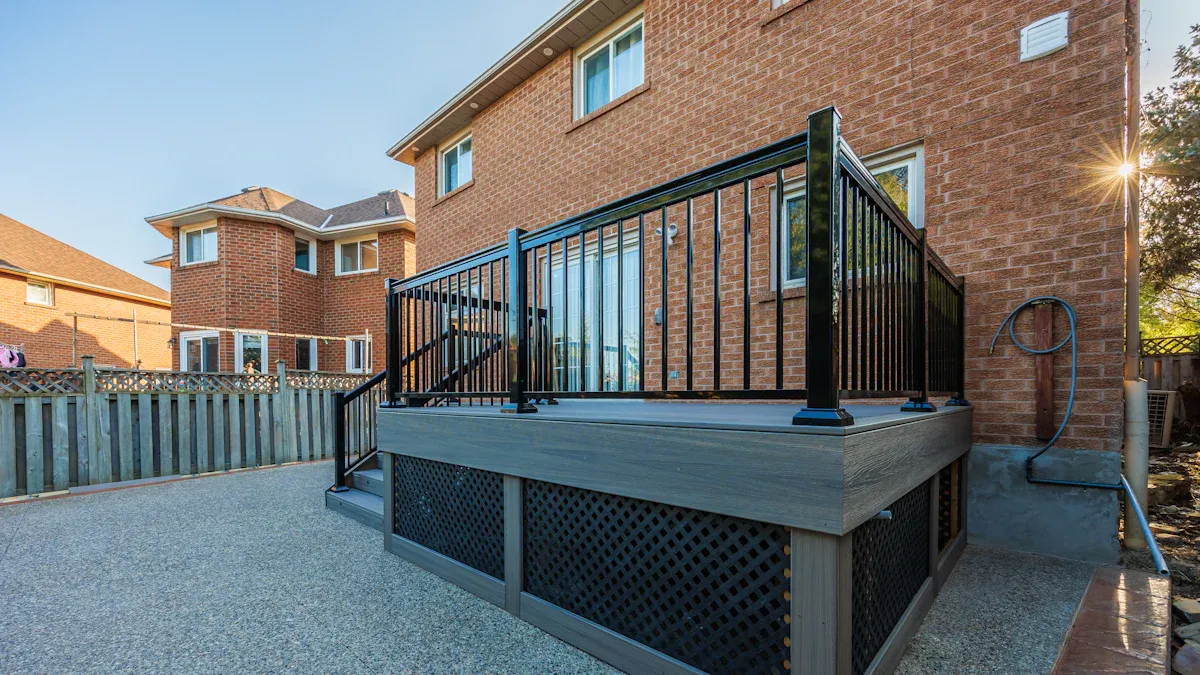
Composite decking gives you lots of choices. You can pick from many colors, like warm browns or cool grays. Some boards even have patterns that look like real wood grain. You don’t need to stain or paint them. The color stays true for years, so your deck keeps its fresh look.
Here’s a quick table showing what you get:
Decking Type | Color Options | Style Options |
|---|---|---|
Composite Decking | Wide array of colors mimicking natural wood, warm/cool tones | Resembles wood aesthetics with low maintenance |
You can mix and match colors to create borders or patterns. If you want a modern look, composite decking makes it easy. You also get a smooth finish that feels good under your feet. You don’t have to worry about splinters.
Tip: Composite decking lets you design a deck that fits your style and stays beautiful with little effort.
Wood decking brings a classic charm. You get a natural look that feels warm and inviting. You can stain or paint wood any color you like. Over time, wood develops a unique character as it ages.
Check out this table to see how popular wood species look:
Wood Species | Appearance Characteristics | Maintenance Requirements |
|---|---|---|
Cedar | Reddish-brown hue, natural beauty, warm appearance | Regular staining and sealing |
Redwood | Rich reddish-brown tones, distinct grain patterns | Regular staining and sealing |
Pressure-treated Pine | Affordable, less natural beauty | Regular staining and sealing |
Ipe | Deep brown color, fine grain, striking visual impact | Minimal maintenance required |
You can create a rustic deck or a sleek, painted surface. Wood gives you flexibility, but you need to care for it to keep the color and grain looking sharp.
So, which looks better? If you want a deck with a timeless, natural appearance, wood might be your pick. If you prefer a deck that stays stylish and needs less work, composite decking could be the winner.
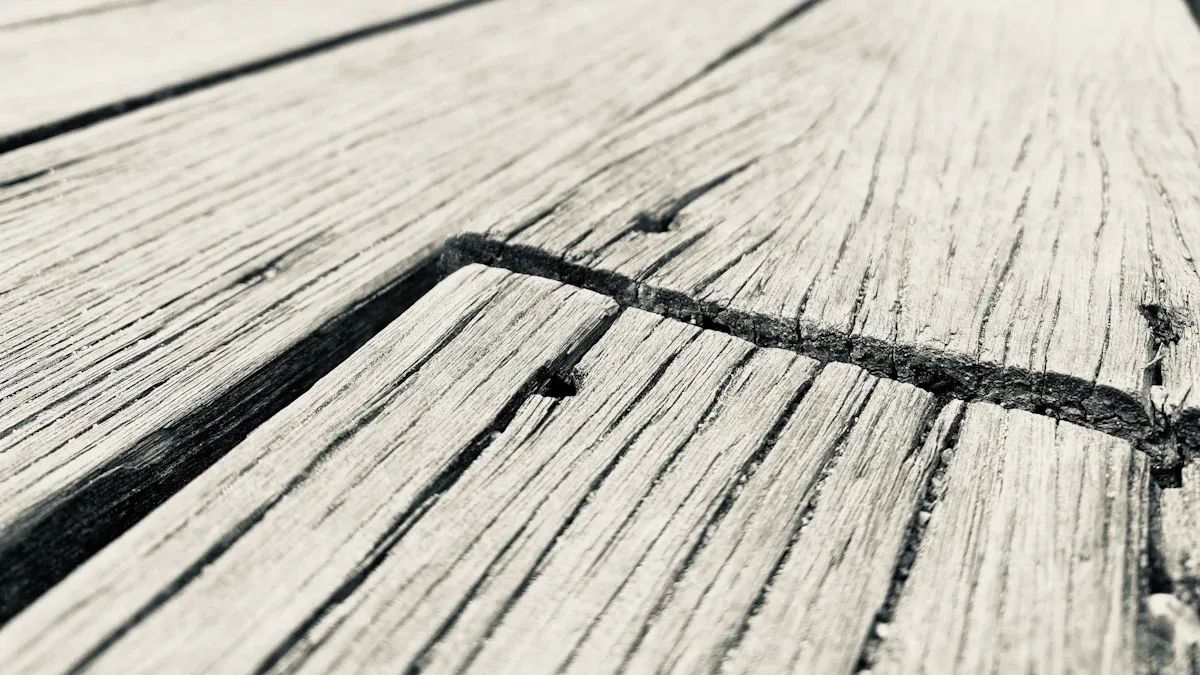
You want your deck to feel safe for everyone, especially if you have kids or pets. Splinters can turn a fun day outside into a painful one. Wood decking often develops splinters as it ages. Sun, rain, and foot traffic can cause wood to crack and warp. Over time, these cracks lead to splinters that stick out from the boards. Many safety reports show that splinters are a common problem with wood decks.
Composite decking changes the game. The boards are made to stay smooth, even after years of use. You do not have to worry about splinters poking bare feet or paws. Composite materials resist warping and cracking, so you get a safer surface. If you want a deck where you can walk barefoot without worry, composite decking is a smart choice.
Tip: If safety is your top concern, composite decking helps you avoid the hassle and pain of splinters.
You might wonder how your deck will handle rain or wet weather. Nobody wants to slip and fall outside. Both wood and composite decks can get slippery when wet, but composite decking often performs better.
Here’s what you should know:
Composite decking, like Trex, has slip resistance ratings between 0.32 to 0.39 when wet.
Some composite boards, such as the UH02 Voyager series, have an R10 slip resistance rating.
Wood decks can also be slippery, especially if algae or mold grows on the surface.
Composite decking usually resists mold and algae better than wood.
If you want extra grip, look for composite decking with a textured surface. This helps keep your family safe, even after a rainstorm.
Note: Always keep your deck clean and clear of leaves or debris to help prevent slips.
You may ask if composite decking helps the planet. The answer is yes. Many brands use recycled materials to make their boards. When you pick composite decking, you help keep plastic and wood waste out of landfills. Some companies use renewable energy when making their products.
Here are some facts about recycled content in composite decking:
Trex decking uses 95% recycled wood and plastic.
Trex reuses more than 900 million pounds of recycled materials each year.
Azek used over 290 million pounds of recycled materials in its deck boards in 2019.
Many composite choices, like Trex, have 95% recycled parts.
Azek plans to increase its use of recycled materials by over 25% next year.
Composite decking also helps lower your carbon footprint. Some new composite boards can store more carbon dioxide than they release during production. If you want to be even greener, look for brands that use solar energy in their factories. A life cycle study shows that using solar power could cut the global warming impact of wood-plastic decking by almost 39%.
Check out this table to see how composite decking compares to wood in carbon footprint:
Product Type | Carbon Footprint Reduction vs. Pine | Carbon Footprint Reduction vs. Ipe |
|---|---|---|
TimberTech Advanced PVC | 26% | 89% |
TimberTech Composite | 15% | 88% |
Wood decking comes from trees, which grow back over time. If you choose wood from well-managed forests, you help support healthy forests. Look for certifications like FSC to make sure your wood comes from a good source.
But wood decking has some problems. Cutting and moving timber can hurt forests and animals. Some wood decks need chemicals to stop rot and bugs, which can harm nature. Wood decks do not last as long, so you may need to replace them more often, making more waste.
If you want to make a greener choice with wood, try reclaimed or recycled timber. This gives old wood a new use and means fewer new trees are cut down.
Tip: Always ask where your wood comes from and pick certified or reclaimed options when you can. This helps protect forests for the future.
You might feel excited to start your deck project. Composite decking makes installation easier for most DIY fans. You do not need to worry about sanding or staining. The boards come ready to use. Here’s how you can build your deck step by step:
Plan your deck. Decide on the size and shape. Check if you need permits.
Prepare the site. Clear the area and make sure the ground is level.
Install the frame. Set the joists and use joist tape to protect them.
Create the substructure. Lay out the deck boards with the right spacing.
Install the composite deck boards. Start with the first board, use hidden fasteners, and stagger the boards for a neat look.
Secure the boards. Make sure all fasteners are tight and the boards feel solid.
Trim and finish. Cut the edges and add end caps for a clean finish.
Add railings if you want. Attach posts and rails for safety.
Do a final inspection. Walk on the deck and check for any loose boards.
Tip: Composite decking often uses hidden fasteners, so you get a smooth surface with no nails sticking out. This makes your deck safer for bare feet.
Wood decking gives you a classic look, but installation takes more effort. You need to measure and cut each board. You also have to seal the wood before you use it. Here’s a simple guide to help you:
Plan your deck layout and get the right permits.
Clear and level the ground.
Build the frame with strong joists.
Lay out the wood boards. Leave small gaps for water drainage.
Fasten the boards with screws or nails. Make sure each board is secure.
Sand rough edges and seal the wood to protect it from weather.
Install railings if needed.
Inspect your deck for safety.
Note: Wood decks need sealing after installation. This step helps your deck last longer and keeps it looking good.
You can tackle both types of installation with basic tools. Composite decking saves you time because you skip sanding and staining. Wood decking lets you customize your look, but you need to spend more time on each step.
If you want a deck that takes almost no work, composite decking stands out as the best decking material for low maintenance. You do not need to paint, stain, or seal it. Most of the time, you just sweep or rinse it off. Composite boards resist fading, stains, warping, and rotting. You can spend more time enjoying your deck and less time working on it.
Composite decking is one of the lowest maintenance options available today. It resists fading, staining, warping, and rotting. Maintenance mainly involves sweeping and occasional gentle cleaning.
PVC decking also offers top performance for homeowners who want the easiest care. It handles water and insects with no trouble. You only need to rinse it now and then to keep it looking good.
PVC decking is highlighted as the top choice for homeowners seeking low maintenance due to its durability and water resistance. It requires minimal upkeep, needing only an occasional rinse to maintain its appearance. The material is completely moisture and insect-resistant, ensuring it performs well in various climates without the risk of warping or rotting.
If you want a deck that stays strong and looks great with little effort, composite or PVC decking is your best bet.
Do you love the look and feel of real wood? Wood decking gives you a classic, warm style that many people want for their outdoor space. You can see the grain, feel the texture, and even smell the wood. Some types, like Western Red Cedar and exotic hardwoods, look beautiful and last a long time.
Here’s a quick table to help you compare:
Decking Material | Features |
|---|---|
Western Red Cedar | Aesthetically pleasing, rot-resistant, great insulation, versatile, long-lasting. |
Exotic Hardwoods | Strong, durable, sourced responsibly, naturally beautiful, resilient surface. |
Wood lets you stain or paint your deck any color you like. Over time, it develops a unique character. If you want a deck that feels natural and fits right into your yard, wood is the best decking material for you.
If you want to save money, you have a few good choices. Pressure-treated wood usually costs less at first. You can build a nice deck without spending a lot. But remember, you will need to pay for stain, sealant, and repairs over the years.
Composite decking can also be a smart choice for your wallet. Some brands, like Trex Enhance and Trex Select, offer good value. You pay a bit more at the start, but you save money because you do not need to paint, stain, or fix your deck as often.
Here’s a table to help you see your options:
Decking Type | Best For | Pros | Cons |
|---|---|---|---|
Trex Enhance | Budget-conscious homeowners | Lower cost, good scratch and stain resistance | Shorter warranty (25 years) |
Trex Select | Homeowners wanting style and affordability | Authentic wood grain, good fade resistance | Limited color options |
Composite decking costs about $2.40 per lineal foot.
It requires no painting or staining and is immune to mold damage.
The lifespan is typically 25 years or more.
If you want the lowest upfront cost, wood is a good pick. If you want to save money over time, composite decking gives you better value.
Do you want a deck that lasts for decades? Composite decking leads the way in longevity. It resists warping, rotting, and insect damage. Many brands offer warranties of 25 years or more. You can trust your deck to stay strong and safe for a long time.
Trex is rated as the most trusted brand in outdoor decking for five consecutive years, according to the 2025 America’s Most Trusted® study.
Composite Decking: Resistant to warping, rotting, and insect damage.
PVC Decking: Highly resistant to moisture and decay, ideal for low maintenance.
Aluminum Decking: Extremely durable and weather-resistant, though more expensive.
If you want the best decking material for longevity, choose composite or PVC decking. These materials give you peace of mind and a deck that stands the test of time.
Quick Decision Guide
Not sure which way to go? Use this checklist to help you decide:
Want almost no maintenance? → Choose composite or PVC decking.
Love the look and feel of real wood? → Go with cedar or hardwood decking.
Need to stick to a tight budget? → Pick pressure-treated wood or value composite options.
Want your deck to last for decades? → Select composite or PVC decking.
Tip: Think about what matters most to you—easy care, natural beauty, price, or how long your deck will last. The best decking material is the one that fits your life and your plans.
You now know the key differences between composite and wood decking. Composite decking works best if you want low maintenance, long life, and a greener choice. Wood decking gives you a classic look and a natural feel.
Want easy care? Go with composite.
Love real wood? Pick timber.
Care about the planet? Composite is a smart move.
Think about what matters most to you. Your perfect deck depends on your style, budget, and how much work you want to do.
You can’t paint or stain most composite decking. The boards come in set colors that last for years. If you want to change the color, wood decking gives you more options.
Just use soap, water, and a soft brush. Rinse with a hose. You don’t need special cleaners. For tough spots, a gentle power wash works well.
Composite decking can feel warm on sunny days. Lighter colors stay cooler than dark ones. If you want a cooler surface, pick a light shade and add shade with umbrellas or pergolas.
Yes! Composite decking stays smooth and splinter-free. You don’t have to worry about sharp edges or splinters. It’s a safe choice for bare feet and paws.

 English