
Views: 0 Author: Site Editor Publish Time: 2025-12-19 Origin: Site
Ever wondered how to give your deck a flawless, finished look? Composite Decking Fascia Board are the secret. They protect and enhance your deck’s edges.
In this post, you’ll learn what composite decking fascia boards are and why they matter. We’ll guide you through their benefits and installation steps for a durable, attractive deck.
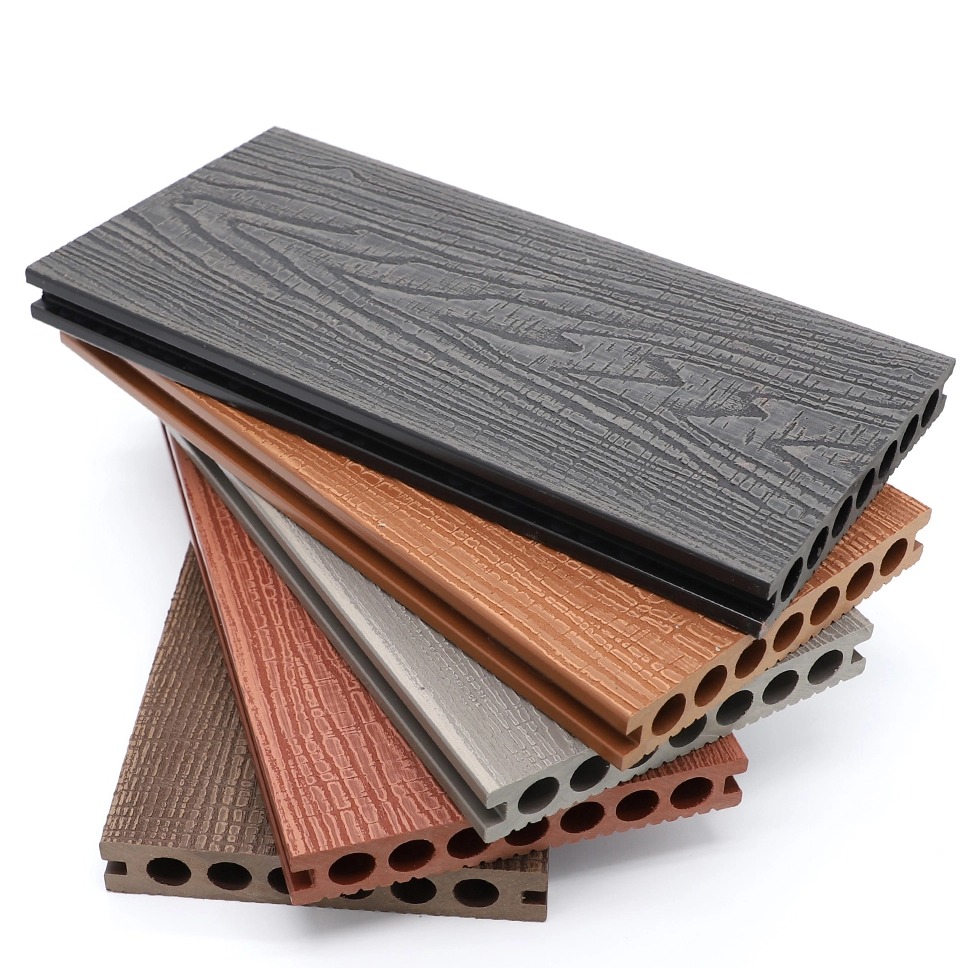
Senyu offers a range of composite decking fascia boards designed to cover exposed edges and step risings seamlessly. These fascia boards are fully reversible, allowing you to use either side for a clean finish. They come in long 3.6-meter lengths, making them ideal for covering large deck perimeters efficiently. Their design lets you screw them directly onto the decking or joists beneath, simplifying installation.
Senyu fascia boards are available in four distinct ranges: Essential, Classic, Advanced, and Deluxe. The Essential and Classic ranges provide durable, cost-effective options with four colour choices. Meanwhile, the Advanced and Deluxe ranges offer premium quality with enhanced durability, fade resistance, and five colour options.
| Range | Price (Inc. VAT) | Colour Options | Features |
|---|---|---|---|
| Essential | £24.00 | 4 | Basic durability, budget-friendly |
| Classic | £24.00 | 4 | Improved finish, consistent look |
| Advanced | £30.00 | 5 | Enhanced fade resistance |
| Deluxe | £30.00 | 5 | Premium durability and aesthetics |
This tiered system allows you to select fascia boards that best fit your budget and design needs.
Matching fascia boards with decking boards is crucial for a unified deck appearance. Senyu fascia boards come in colours that align with their composite decking boards, ensuring a harmonious look. Whether you prefer natural wood tones or modern greys, you can find fascia boards that blend perfectly with your deck surface.
Each Senyu fascia board features a reversible design, which means you can flip it to use either side. This flexibility helps in achieving a flawless finish and extends the product's versatility. The boards have a width of 140mm, aligning with standard step rise regulations, making them especially suitable for raised decks and steps.
The length of 3.6 meters reduces the number of joins needed, creating a cleaner look and simplifying installation. The boards are easy to cut with standard woodworking tools like a circular saw, allowing customization to fit your deck’s unique dimensions.
Note: When joining fascia boards, always leave a 2mm expansion gap to accommodate temperature-related movement and prevent warping or buckling.
To install composite decking fascia boards effectively, you need the right tools. Start with an impact drill for driving screws quickly and a hand drill for pre-drilling pilot holes. A circular saw or mitre saw is essential for cutting fascia boards to size cleanly. Always wear safety gear: safety glasses to protect your eyes from dust and debris, hearing protection to shield your ears from loud tools, gloves to protect your hands, and a dust mask to avoid inhaling fine particles while cutting.
Use a spirit level to ensure the fascia boards are perfectly horizontal during installation. A carpentry square helps keep corners and cuts accurate, especially when fitting fascia around steps or corners.
For fastening composite fascia boards, use corrosion-resistant, countersunk screws designed for outdoor use. Stainless steel or coated screws prevent rust and staining over time. The recommended screw length is typically 50mm, allowing secure fixing without splitting the board.
Pre-drill 4mm pilot holes to prevent the composite material from cracking. Avoid using adhesive glue; screws provide a stronger, more reliable hold and allow for expansion and contraction of the boards.
Consider coloured screws that match the fascia board to conceal fixings and maintain a clean appearance.
Before starting, gather all materials to ensure a smooth workflow:
Composite decking fascia boards (measure total linear metres of deck edges)
Countersunk stainless steel or coated screws (50mm length)
Drill bits for pre-drilling pilot holes (4mm recommended)
Saw blades suitable for composite materials (carbide-tipped preferred)
Safety gear (glasses, gloves, hearing protection, dust mask)
Spirit level and carpentry square
Measuring tape and pencil for marking cuts and screw positions
Having all tools and materials ready reduces delays and helps achieve a professional finish.
Tip: Always pre-drill pilot holes slightly smaller than screw diameter to prevent splitting and ensure a neat, secure fix.
Before fixing the fascia board, pre-drill pilot holes using a 4mm drill bit. This step is crucial because composite materials can split if screws are driven directly without pilot holes. Countersink these holes slightly so the screw heads sit flush or just below the surface. This prevents material damage and ensures a neat finish.
Next, position the fascia board so its top edge aligns perfectly with the top edge of the decking boards. This alignment hides the grooved edge of the deck boards, delivering a clean, professional look. Use a spirit level to check for horizontal alignment and adjust as needed before fixing.
Fix the fascia board in place using 50mm countersunk screws made of corrosion-resistant stainless steel or coated for outdoor use. Drive screws through the pre-drilled holes to secure the board firmly to the decking frame or joists beneath. Space screws evenly, approximately every 300mm, to maintain a strong hold.
Do not use adhesive glue to fix composite fascia boards. Screws provide a more secure and durable hold that accommodates the natural expansion and contraction of composite materials. Adhesives can fail over time due to weather changes and may cause the boards to warp or detach.
Tip: Always pre-drill pilot holes slightly smaller than the screw diameter to prevent splitting and ensure a smooth, secure installation of composite fascia boards.
Composite decking fascia boards expand and contract as temperatures change. Without proper expansion gaps, boards can warp, buckle, or crack. Always leave a minimum expansion gap of 2mm between fascia board ends or joins. This gap allows the boards room to move naturally during hot and cold weather, preventing damage and maintaining a smooth, professional finish.
Proper airflow beneath the decking is crucial to prevent moisture buildup. Moisture trapped under fascia boards can cause rot in the substructure, even if the fascia itself is composite. To allow airflow:
For hard or concrete foundations, leave at least a 20mm ventilation gap between the fascia and the ground or surface.
For soft or non-concrete foundations, increase this gap to 40mm to ensure adequate ventilation.
These gaps help the joists and deck boards dry properly and extend the life of your deck.
Composite fascia boards resist moisture better than timber, but the subframe often remains wood. Without proper ventilation, moisture can accumulate, leading to wood rot and structural damage. Maintaining recommended ventilation gaps prevents this by promoting air circulation and drying. Also, avoid placing fascia boards directly on soil or non-draining surfaces.
Screws are necessary for securely fixing fascia boards but can be visually distracting. Use coloured screws matching your fascia board colour to blend fixings into the surface. This simple step keeps the deck looking neat and enhances the overall aesthetic without compromising strength.
Tip: Always maintain at least a 2mm expansion gap between fascia boards and a 20-40mm ventilation gap below to prevent warping and moisture damage.
Composite decking fascia boards serve a key role in raised decks and steps. They cover exposed joists and subframes, giving a neat, finished look. This not only boosts the deck’s curb appeal but also protects underlying timber from weather damage. The fascia boards act as a barrier against moisture and pests, prolonging the life of your deck structure.
For steps, fascia boards create a clean, consistent face on risers, hiding rough framing and fixings. Their durable composite material resists fading and warping, which is crucial in high-traffic areas like steps. Using fascia boards here helps maintain safety by preventing splinters or sharp edges.
When building steps, consistency in rise and tread is vital for safety and comfort. Senyu fascia boards are 140mm wide, aligning well with common step rise dimensions. This means you can design your step risers to match the fascia width, simplifying installation and ensuring a uniform appearance.
Keep tread depths consistent too. Fascia boards don’t cover treads but framing beneath; ensuring even tread sizes creates a balanced look and avoids tripping hazards. Planning your deck substructure to accommodate the fascia board width prevents awkward cuts or gaps, which can detract from the deck’s finish.
Fascia boards attach directly to the deck frame or joists, wrapping around steps and raised edges. This integration strengthens the deck’s perimeter and conceals structural elements. For raised decks, fascia boards can be fixed vertically or horizontally along the subframe, creating a seamless transition between deck surface and ground.
On steps, fascia boards form the riser face, while the tread sits above. This method keeps the step structure tidy and durable. Using composite fascia avoids the maintenance issues common with timber risers, such as rot or paint peeling.
Fascia boards also work well alongside other trim pieces like corner trims or bullnose edges, completing the deck’s look. Their reversible design lets you choose the best finish side, enhancing the visual appeal around steps and raised areas.
Tip: When designing raised decks or steps, plan your subframe to match the 140mm fascia board width for easy installation and a professional finish.
Composite decking fascia boards are designed to maintain their colour and appearance over time. Unlike traditional timber, they resist fading caused by sun exposure. The advanced ranges, like Senyu Advanced and Deluxe, feature enhanced UV protection to keep colours vibrant for years. This means your deck’s edges will look fresh and new long after installation. Colour consistency between fascia and decking boards ensures your deck maintains a uniform, polished look.
One of the biggest benefits of composite fascia boards is their low maintenance nature. They don’t require sanding, staining, or painting like timber fascia. Occasional cleaning with soap and water removes dirt and debris easily. Composite materials resist mould, mildew, and insect damage, so you avoid costly repairs or replacements. This saves time and money over the deck’s lifespan, making composite fascia a smart investment for busy homeowners or commercial projects.
Regular Cleaning: Use a soft brush and mild detergent to clean fascia boards twice a year or after heavy dirt buildup.
Avoid Harsh Chemicals: Steer clear of bleach or abrasive cleaners that could damage the board surface.
Inspect for Damage: Check screws and fixings annually to ensure fascia boards are secure and haven’t shifted.
Maintain Ventilation Gaps: Keep expansion and ventilation gaps clear to prevent moisture buildup and warping.
Protect from Impact: Avoid hitting fascia boards with heavy tools or lawn equipment to prevent dents or cracks.
Following these simple steps helps your fascia boards look great and last longer, preserving your deck’s value and appeal.
Tip: Clean composite fascia boards twice yearly using mild detergent and a soft brush to maintain their colour and durability.
Composite decking fascia boards enhance your deck's appearance and durability by providing a clean, finished edge. Proper installation prevents warping and moisture damage, ensuring long-lasting performance. These boards simplify maintenance and resist fading, making them ideal for raised decks and steps. Selecting the right fascia from senyu offers reversible designs and colour options that match your decking perfectly. Following installation tips guarantees a professional finish and extends your deck’s lifespan, adding value and style to your outdoor space.
A: A composite decking fascia board is a durable, weather-resistant board used to cover the exposed edges and step risings of a deck, providing a neat, finished appearance.
A: Install by pre-drilling pilot holes, aligning the board with the decking edge, and securing it with corrosion-resistant screws while leaving expansion gaps.
A: Composite boards resist fading, warping, and moisture better than timber, offering low maintenance and longer-lasting durability.
A: Prices range from £24.00 for Essential and Classic ranges to £30.00 for Advanced and Deluxe options, depending on features and colour choices.
A: Leave a 2mm expansion gap between boards and maintain proper ventilation gaps below to accommodate temperature changes and moisture.


