Views: 0 Author: Site Editor Publish Time: 2025-09-05 Origin: Site
Think about what the room is used for when picking wood grain. Kitchens need strong and easy-to-clean choices. Living rooms might look better with softer textures.
Try digital tools to see how wood grain styles look in your room. This helps you decide before you buy anything.
Get real samples of wood grain flooring. Look at the samples in your room. This lets you check colors and textures in different lights.
Pick wood grain colors that go with your current decor. This makes your home look nice and welcoming.
Check your budget and how much care the floor needs. Pick wood that matches your way of living and cleaning. This helps your floor stay pretty for a long time.
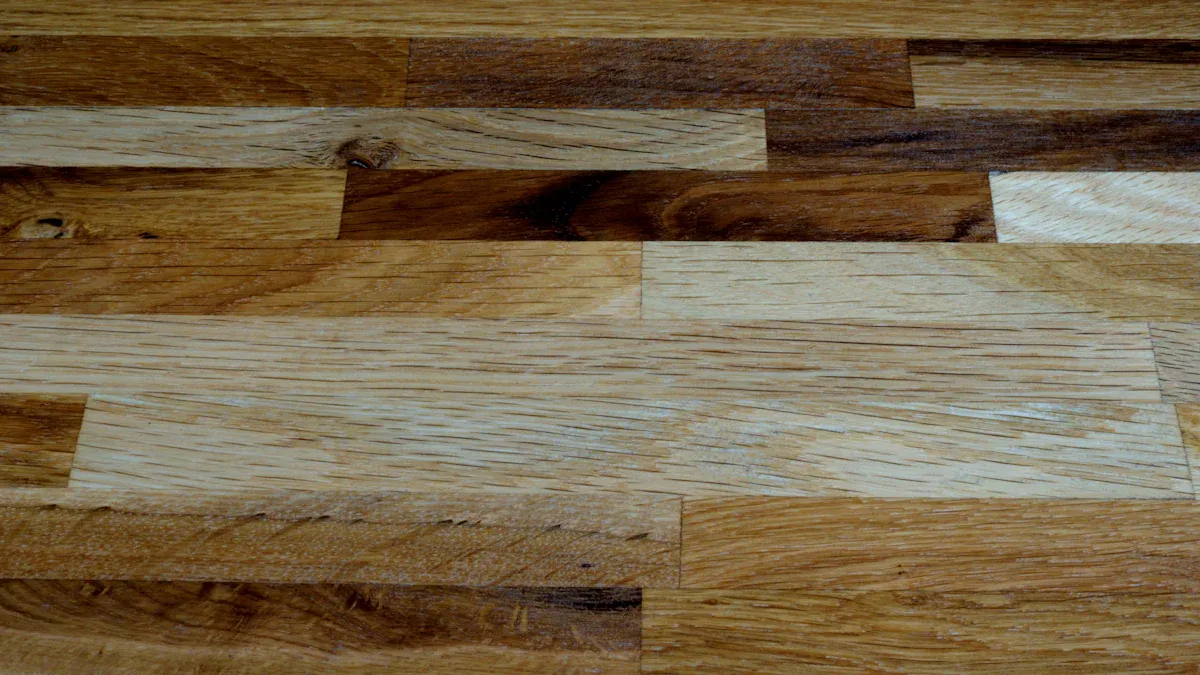
You see 3d wood grain flooring in many homes and businesses today. This flooring uses advanced technology to create realistic wood grain textures on surfaces. You can find 3d models that show every detail, from straight lines to swirling patterns. These 3d models help you visualize how the floor will look before you install it. When you choose 3d wood grain, you get a surface that looks and feels like real wood. You can select from many wood grain styles, such as oak, hickory, or maple. Nearly half of hardwood floors in the US use red oak or white oak. These species offer moderate cost and strong durability. You may also notice that hickory stands out for its bold streaks, which create a unique look in 3d models. Designers use these 3d models to match the flooring to your style and needs.
Tip: When you explore 3d wood grain flooring, gather several 3d models. Compare the wood grain patterns and colors to see which fits your space best.
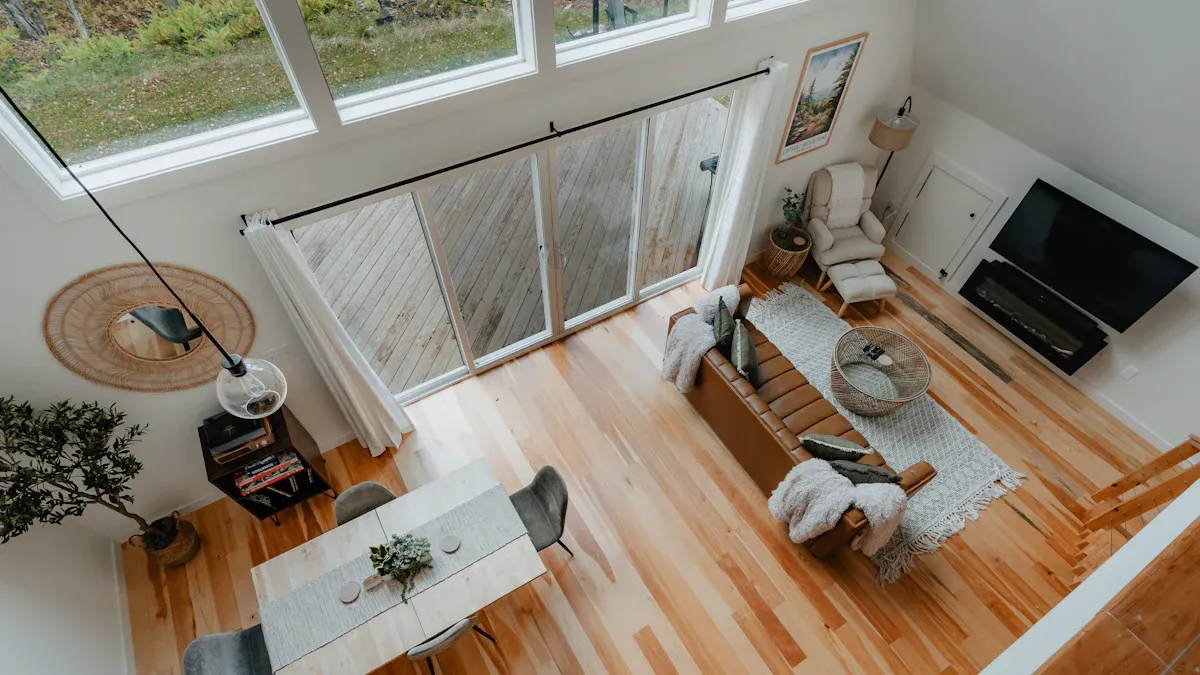
You can use 3d models to plan your project. These models show how light interacts with the wood grain. Straight grain gives a calm look, while swirling grain adds movement. You can see how the grain affects the mood and style of your room. Many people prefer hardwood floors because they last long and look great. You can find 3d wood grain options for almost any design.
Benefit | Description |
|---|---|
Durability | Wood can handle heavy use, making it ideal for homes and businesses. |
Aesthetic Appeal | Wood grain adds warmth and beauty, improving the look of any room. |
Versatility | You can change the appearance by sanding or refinishing, using different 3d models for each style. |
Environmental Impact | Wood is eco-friendly and can be sourced responsibly. |
Value Addition | Hardwood floors can increase your property value by up to 10%. |
You gain many advantages when you use 3d wood grain flooring. You get a durable surface that stands up to daily wear. The wood grain creates a natural look that fits many styles. You can use 3d models to try different patterns and colors before you decide. This helps you find the best match for your project. You also help the environment by choosing wood from sustainable sources. Many 3d models show how your space will look with different wood grain options. You can make smart choices and enjoy a beautiful, long-lasting floor.
When you start your project, think about the room where you want to install the flooring. Each room has its own needs. For example, a kitchen often faces spills and heavy foot traffic. You need a wood grain laminate that can handle moisture and is easy to clean. Bedrooms and living rooms may need a softer look and a warm feel.
You can use a visualizer tool to upload a photo of your room. This tool helps you see how different wood grain options will look in your space. You can also adjust the plank direction. Changing the direction can make your kitchen or living room look bigger or cozier. The tool lets you compare several wood grain laminate styles side by side. This makes it easier to choose the best fit for each room.
Factor | Explanation |
|---|---|
Room Dimensions | Measure your space to make sure the wood grain laminate fits well and looks balanced. |
Natural Light | Notice how sunlight changes the color and aesthetic of the wood grain during the day. |
Furniture Placement | Arrange furniture to highlight the wood grain and keep the room functional. |
Timeless vs. Trendy Design | Pick a style that matches your taste. Timeless wood grain can save you money in the long run. |
Your style shapes the look and feel of your project. Some people like a classic kitchen with oak wood grain. Others want a modern kitchen with bold patterns. The natural patterns in wood, such as medullary rays and growth rings, add to the aesthetic. Oak wood grain stands out for its rich look and strength. The milling process also makes the wood grain laminate more stable and durable.
The unique grain patterns in oak wood give your kitchen or living room a special touch.
Growth rings and other natural features add depth and aesthetic value.
Strong milling methods help your wood grain laminate last longer, even in busy rooms.
Tip: Choose a wood grain that matches your furniture and wall colors. This creates a balanced and inviting space.
You can find many types of wood grain patterns in 3D flooring. Each grain pattern gives your floor a unique look and feel. Some patterns work well for modern spaces, while others fit classic designs. When you choose a wood grain, you should look at how the pattern matches your room’s style and your daily needs.
Here is a table that shows the most common wood grain patterns you might see in 3D flooring:
Wood Grain Pattern | Description |
|---|---|
Flat Grain | Repeating curved or U-shaped lines, often creating a cathedral figure. |
Fine Grain | Tightly spaced growth rings with non-visible pores, common in slow-growing hardwoods. |
Coarse Grain | Large fibers and visible pores, perfect for rustic looks. |
Curly Grain | Rare wave-like pattern that reflects light in different ways, often found in maple. |
Burl Grain | Swirling patterns from round deformations in trees, highly prized for decoration. |
You can use these grain patterns to create a floor that stands out. Flat grain gives a soft, flowing look. Fine grain brings a smooth and even surface. Coarse grain adds texture and a bold feel. Curly and burl grain patterns offer distinctive grain patterns that catch the eye. When you explore types of wood grain, you can match the grain pattern to your taste and the mood you want in your space.
Tip: Collect samples of different wood grain patterns before you decide. This helps you see how each grain pattern looks with your lighting and furniture.
You need to know the difference between softwoods and hardwoods when picking a wood grain for your floor. Hardwoods usually have a close grain and come in many colors and patterns. They feel dense and strong underfoot. Softwoods have a loose grain pattern and feel lighter. They often cost less but may not last as long.
Here is a table to help you compare softwoods and hardwoods for 3D wood grain flooring:
Feature | Hardwoods | Softwoods |
|---|---|---|
Density | Generally denser and more durable | Typically lighter and less dense |
Durability | Superior strength, ideal for high-quality flooring | Less durable, may not last as long |
Grain | Close grain, various colors and patterns | Loose grain, affects durability and appearance |
Cost | Higher due to slower growth and drying times | More economical, quicker to grow and process |
Applications | Flooring, furniture, bespoke joinery | Furniture, construction, internal mouldings |
You might choose hardwoods if you want a floor that lasts and shows off rich wood grain. Softwoods work well if you want to save money or need a lighter look. Both types of wood grain can look great, but hardwoods often give you more options for grain pattern and color. When you compare types of wood grain, think about how much use your floor will get and how you want it to look.
You want your 3d flooring to look like real wood. First, collect pictures of wood grain, knots, and colors. Good images help you see the small details you need. Using high-resolution textures shows every line and knot. These textures make your floor look real and add depth to your room.
Making textures takes a few steps. You can change settings like stain, finish, and relief pattern in design software. This helps your floor look more like real wood. Bump maps give your textures a raised effect, so the wood grain stands out. Some programs, like Revit, let you use special shaders for better results. You can also use seamless textures to hide lines where textures meet. Seamless textures make your floor look smooth and even.
Tip: Always pick seamless and high-quality textures for the best look. This makes your wood grain flooring look real and neat.
Making textures that feel real is more than just looks. Displacement mapping lets you add height and depth to your 3d printed wood grain flooring. This uses height maps to make bumps and dips like real wood. Your floor will have a texture that feels and looks real.
When you get your file ready for 3d printing, slicer settings are important for textures. Change the layer height and infill to show the small details in your wood grain. Seamless textures help the printer make a smooth floor with no rough spots. Check your settings before you print to focus on texture creation. This makes sure your wood grain flooring has the good textures and smooth look you want.
Note: Using the right slicer settings and displacement mapping gives your 3d flooring a real wood feel. You get the beauty of wood and the strength of new materials.
You can pick from many materials for your wood grain finish. Engineered hardwood has a real wood top layer. You can refinish it if it gets scratched or worn out. This makes it good for rooms with lots of people. Laminate flooring has a strong top layer. It does not scratch or stain easily, so it is great for busy homes. But you cannot fix laminate if it gets damaged. This means it may not last as long as other choices. Engineered hardwood can handle changes in humidity and temperature. Laminate stays steady in most rooms, but it might not last as long as real wood. When you choose a material, think about how much people will walk on it and how often you want to change your floor.
Tip: If your room gets a lot of use, pick a wood grain finish that fits your cleaning habits. Engineered hardwood gives you both beauty and strength.
How long your wood grain finish lasts depends on the wood type and texture quality. Some woods are very strong and do not wear out fast. The Janka rating tells you how hard a wood is. Here are some good choices for inside your home:
Wood Species | Janka Rating | Key Characteristics |
|---|---|---|
American Hickory | 1,820 | Very tough, great for busy rooms |
Hard Maple | 1,450 | Wears evenly, stands up to daily use |
White Oak | 1,360 | Resists water damage, lasts a long time |
You should also think about how the wood grain finish is made. Solid hardwood is one piece of wood. You can refinish it many times, so it works well for rooms upstairs. Engineered hardwood has layers. This makes it more stable and helps it last longer when the air is damp.
Solid hardwood can be refinished many times.
Engineered hardwood has layers for better strength and water resistance.
Both types give you good textures and a natural wood look for your home.
Pick a wood grain finish that matches what your room needs. Look for strong textures and the right wood for your space. This will help your floor look nice and last a long time.
You can change the look and feel of a room by choosing the right color for your 3D wood grain flooring. Light wood tones make small rooms feel bigger and brighter. Dark wood adds depth and a rich feeling, which works well in large spaces. When you pick a color, you help your floor blend with your walls, furniture, and other design elements. This makes your space look balanced and welcoming.
To match your 3D wood grain flooring with your room, try these steps:
Learn about wood tones and textures. This helps you see which colors work together.
Pick wall colors that go well with your wood veneer. This creates a smooth look.
Choose flooring that matches the wood veneer. This keeps your room from looking too busy.
Match your furniture style with the right wood veneer. This brings the whole design together.
Use accent colors and textiles to highlight the beauty of your wood grain flooring.
Tip: Hold samples of your wood grain flooring next to your walls and furniture. This helps you see how the colors and textures work together before you decide.
Textures play a big role in how your 3D wood grain flooring looks and feels. Each wood species has its own grain pattern, which makes every floor unique. You can pick from finishes like matte or glossy. Matte finishes give a soft, natural look. Glossy finishes add shine and make the floor stand out.
Textures do more than change how your floor looks. They also affect how it feels under your feet. Some wood grain textures feel smooth, while others have a raised pattern. You can choose from many wood species, each with its own color and texture. This lets you customize your floor to fit your style.
Unique grain patterns make your floor special.
Different finishes change the look and feel of your flooring.
Many wood species offer a wide range of colors and textures for your project.
When you focus on both color and texture, you create a space that feels just right for you.
You want your 3D flooring to look fresh and last for years. Regular care keeps the textures and colors sharp. Start with daily cleaning routines. Remove dust and dirt before they settle into the wood. Use a vacuum with a soft attachment or a gentle bristle broom. These tools protect the textures and prevent scratches. Once a week, clean deeper with mild dish soap and warm water. Avoid soaking the floor. Too much moisture can damage the wood and dull the textures. Each finish needs special care. Waxed, oiled, or varnished surfaces require different products. Choose professional cleaning solutions that match your floor’s finish. This helps you keep the grain and textures looking natural.
Sweep or vacuum daily to protect the textures.
Use mild soap and warm water for weekly cleaning.
Avoid excess moisture to preserve the wood.
Select cleaning products based on your floor’s finish.
Try professional solutions for stubborn stains.
Tip: Always check the manufacturer’s guide before using new cleaning products. This keeps your wood grain flooring safe and beautiful.
Budget plays a big role in your flooring decision. You need to plan for both materials and installation. Domestic hardwood offers a classic look and strong textures at a moderate price. Exotic hardwood brings unique colors and bold textures but costs more. Labor charges also add to your total cost. Here is a table to help you compare average costs for 3D wood grain flooring:
Category | Cost per Square Foot |
|---|---|
Domestic Hardwood | $4 to $8 |
Exotic Hardwood | $8 to $12 |
Labor | $4 to $8 |
You can save money by choosing domestic wood with simple textures. Exotic wood with dramatic textures may raise your budget. Labor costs depend on the complexity of the textures and the size of your space. Plan your budget before you start. This helps you select the right wood, textures, and grain for your needs.
Note: Ask for a detailed quote before you begin your project. This helps you avoid surprises and keeps your budget on track.
You can learn a lot by looking at physical samples before you choose your flooring. When you hold a sample, you see the true colors and textures. This helps you decide if the wood matches your style. You can compare the sample with your walls and furniture. You get a real sense of how the textures will look in your space. Online images often change the way colors appear. Physical samples show you the actual shade and texture. You can touch the wood and feel the surface. This gives you a better idea of comfort and quality. Lighting in your room can change how the colors look. By moving the sample around, you see how the wood reacts to sunlight or lamps. You also notice how the textures stand out in different light.
You evaluate color and texture in person, making sure it fits your taste.
You compare the sample with your existing decor for a perfect match.
You experience the textures and quality by touching the wood.
You see how colors change under different lighting conditions.
You get a true sense of the grain and comfort that online images cannot show.
Tip: Always ask for physical samples before you make your final choice. This helps you avoid surprises and ensures you love your new flooring.
You can use digital tools to preview how your flooring will look. These tools let you see wood textures in a virtual room. You can change the wall color and flooring style. This helps you match the textures and wood to your design. Some tools show a 360-degree view, so you see every angle. You can place the flooring in different rooms and compare how the textures look. You also match the wood with wall paints for a smooth style.
Tool Name | Description |
|---|---|
Visualizer | View walls and floors in a virtual space |
360 Panorama | Visualize all angles with precision |
Room Visualizer | Place flooring in different room settings |
Color Visualizer | Match flooring with wall paints for a cohesive look |
You get a clear idea of how the textures and wood will look before you buy. Digital visualization saves you time and helps you make smart choices. You can try many styles and see which wood fits your space best.
You want to make sure your choice fits your needs and style. Use this checklist to guide your decision when you select 3d wood grain flooring for your project:
Research and recommendations: Look for trusted sources and ask for advice from flooring experts.
Purpose of each room: Think about how you use each space. Kitchens need strong and easy-to-clean wood. Bedrooms may need a softer wooden texture.
Climate considerations: Check if your local climate affects wood. Humid areas need wood that resists moisture.
Durability and maintenance: Pick wood that stands up to daily use. Make sure you can clean and care for it easily.
Sustainability: Choose wood from responsible sources. This helps protect forests and the environment.
Budget constraints: Set your budget before you start. Compare costs for different wood grain patterns and materials.
Patterns and colors: Match the wood grain patterns and colors to your furniture and walls.
Comfort underfoot: Test samples to see how the wood feels when you walk on it.
Long-term trends: Think about styles that last. Avoid patterns that may go out of fashion quickly.
Tip: Use this checklist every time you look at a new sample. You will feel more confident about your final choice.
You want your project to look great and last for years. Follow these tips to make sure you choose the right wood grain for your space:
Gather samples of 3d wood grain flooring. Place them in your room and check how they look in different light.
Use digital visualization tools to preview your choices. These tools help you see how the wood fits with your design.
Ask about the applications of wood grain in each material. Some wood works better in busy rooms, while others suit quiet spaces.
Try choosing the right software for your 3d design. Good software lets you adjust colors, textures, and grain easily.
Compare the comfort and look of each wooden texture. Walk on samples to test how they feel.
Review your budget and maintenance needs. Pick wood that fits your cleaning habits and spending plan.
Look for 3d options that offer realistic grain and strong durability. This helps your floor stay beautiful and tough.
Note: Take your time with each step. You will find the best 3d wood grain for your project and enjoy your new floor for years.
You can make smart choices for your 3D wood grain flooring by following a step-by-step guide. This approach helps you look at moisture, durability, and costs so you find the best fit for your needs. Remember to:
Think about how much maintenance your wood flooring will need.
To get the best results, try these tips:
Prepare the subfloor for a strong base.
Mix planks with different grain patterns for a natural look.
You can place samples in your room and check them under natural and artificial light. This helps you see how the grain looks with your furniture and wall colors.
You should sweep or vacuum daily using a soft brush. Use mild soap and water for deeper cleaning. Avoid soaking the floor to protect the grain and finish.
You can install 3D wood grain flooring in bathrooms if you choose water-resistant materials. Make sure the floor has a sealed surface to prevent moisture damage.
You will notice that tight grain patterns often make the floor stronger. Wide grain patterns may show wear faster, especially in busy rooms.

 English